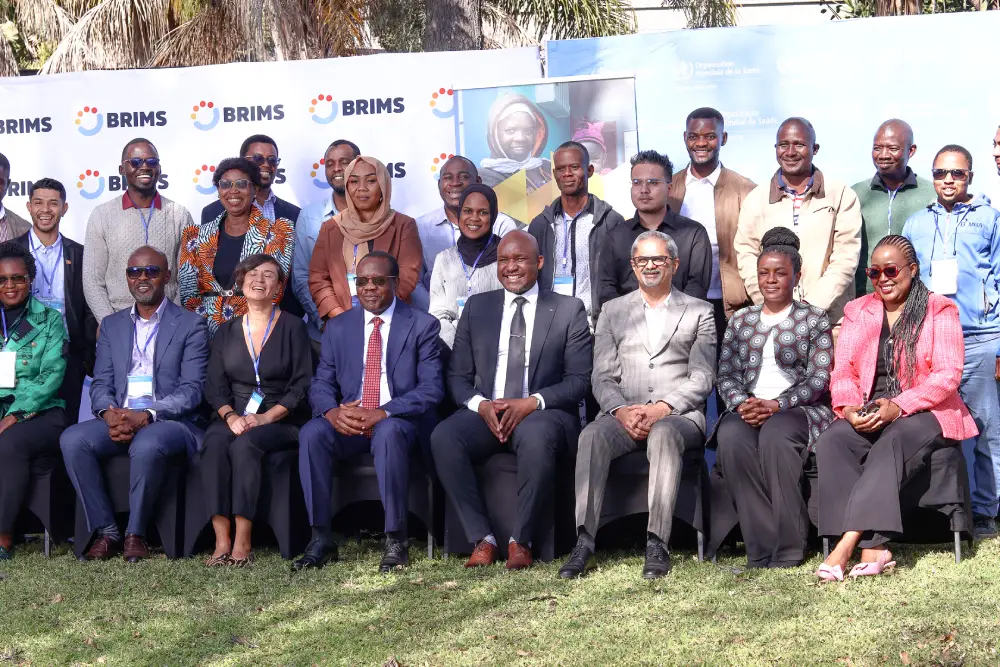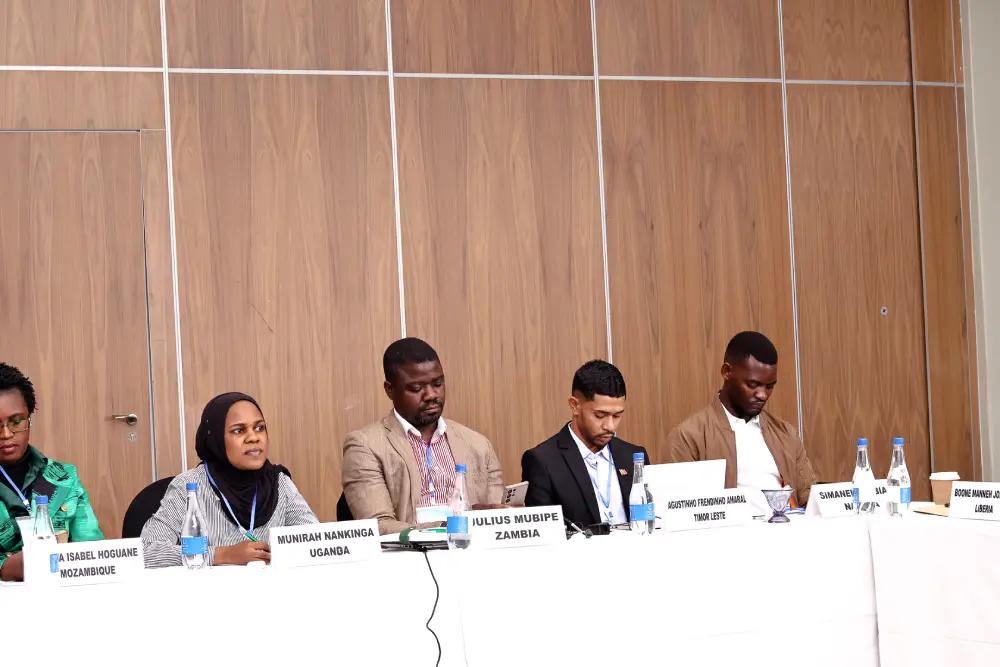
Botswana is taking its fight against poor-quality medical products to the world stage. The Botswana Medicines Regulatory Authority (BoMRA) is hosting an expanded, hands-on training with the World Health Organisation (WHO), bringing together laboratory analysts from across Africa and, for the first time, South-East Asia. The mission of the exercise is to better detect deadly chemicals hiding in everyday medicines — including the cough syrups millions of families rely on.
Five months ago, BoMRA led groundbreaking regional training on detecting two dangerous industrial chemicals, Ethylene Glycol and Diethylene Glycol, in liquid medicines. The Authority is back at the frontline this time on a much bigger stage.
This week, BoMRA’s laboratory is hosting a hands-on practical training bringing together up to 16 analysts from across the WHO African Region (AFRO) and, for the first time, the WHO South-East Asia Region (SEARO).
It’s a major step up from March’s training, which involved five countries: Botswana, Congo, Gambia, Namibia, and Sierra Leone.
This is also the first time this kind of training has brought together laboratories from more than one WHO region, strengthening testing capacity well beyond where it started.
The March training introduced laboratories to the testing method and showed how it works through a live demonstration. This time, participants are going a step further, getting hands-on experience running the actual tests themselves, guided by WHO technical experts, using two techniques recommended internationally for spotting contamination in medicines.
The timing couldn’t be more important. International testing standards were recently updated to include a more advanced version of this testing method, meaning laboratories now need real, practical experience to use it confidently, not just knowledge of how it’s supposed to work.
BoMRA is doing more than just taking part in global efforts to keep medicines safe , it’s becoming a trusted center for this kind of expertise in the region. As more laboratories gain these skills, more countries can protect their people